Measuring Observations Training
NEWS2 & Vital Signs
📅 Duration: 3 hours (half-day)
👩⚕️ Audience: Registered Nurses, Nursing Associates, HCAs, carers, support workers, healthcare assistants and other clinical staff involved in patient monitoring and observations across healthcare and care settings
🏥 Format: Available live online or face-to-face at your organisation
👥 Group Size: Up to 10 delegates
Measuring and Recording Observations Training
Course Details:
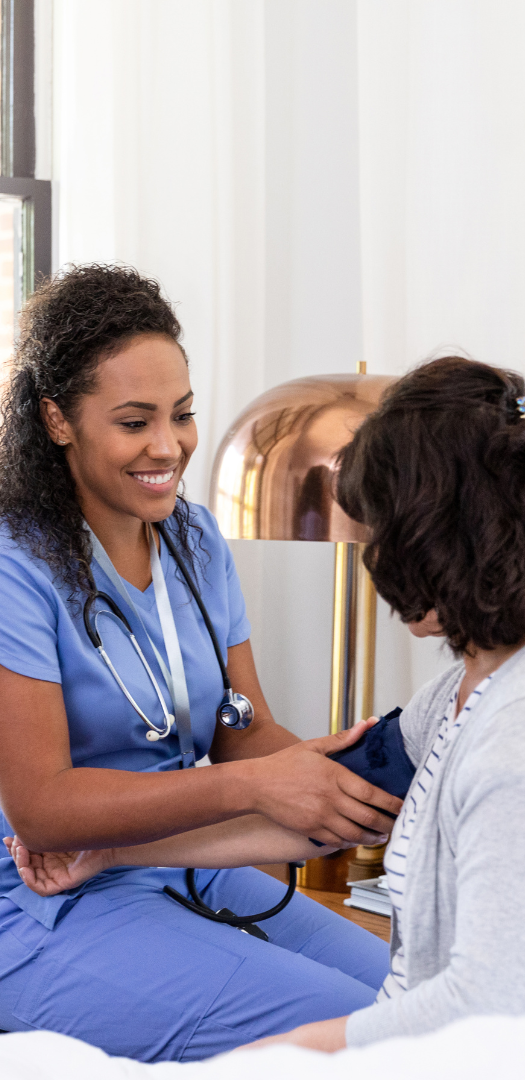
Accurate clinical observations are a vital part of safe and effective patient care. Changes in temperature, pulse, respirations, blood pressure, oxygen saturation or consciousness levels can often be the first signs that a patient is becoming unwell. Recognising deterioration early and escalating concerns appropriately can help reduce avoidable harm and improve patient outcomes across healthcare settings.
This practical course explores how to safely measure, record and interpret a range of vital signs and observations, including NEWS2, pulse oximetry, Glasgow Coma Scale (GCS), fluid balance, MUST assessments and pressure ulcer risk assessment tools. Learners will also explore common causes of inaccurate readings, the importance of clinical judgement, and how effective observations support the early identification of acute illness, dehydration, sepsis and patient deterioration.
The Royal College of Physicians estimates that standardised NEWS2 assessment could help save over 1,800 lives every year through earlier recognition of deteriorating patients.
Learning Outcomes – Measuring vital signs safely and accurately
By the end of this CPD-accredited course, participants will be able to:
- Explain why accurate clinical observations are essential for patient safety and early recognition of deterioration
- Demonstrate understanding of NEWS2 scoring and escalation processes
- Safely measure and record temperature, pulse, respirations, blood pressure and oxygen saturations
- Recognise normal and abnormal findings when assessing vital signs
- Identify signs of acute illness, dehydration and patient deterioration
- Demonstrate awareness of pulse oximetry and factors affecting readings
- Describe the principles of Glasgow Coma Scale (GCS) assessment
- Explain the purpose of Waterlow and MUST assessments
- Describe the importance of fluid balance monitoring and recognising dehydration
- Recognise when abnormal findings require escalation in line with local policy and professional responsibility

Ready to book?
Arrange Measuring Observations training for your team today.
Why Choose Hickby?
👩⚕️ Nurse-led expertise
Delivered by experienced Clinical Nurse Educators with real-world practice.
🎓 CPD accredited
Assurance that training meets national professional standards.
📖 Evidence-based
Aligned with NICE, RCN, and NMC guidance for safe, effective care.

“Really helpful training and explained in a way that actually made sense. I feel much more confident taking observations properly and knowing when something needs escalating.”
Senior Healthcare Assistant
Residential Care Home

Related Courses You May Find Helpful
Blood Pressure Measurement Training
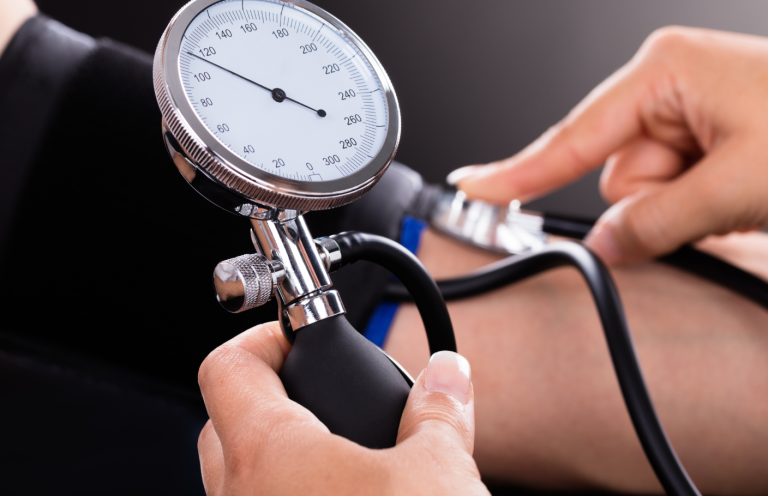
Build confidence in measuring and recording blood pressure accurately, including recognising abnormal readings and understanding common causes of inaccurate results.
Recognising a Deteriorating Patient
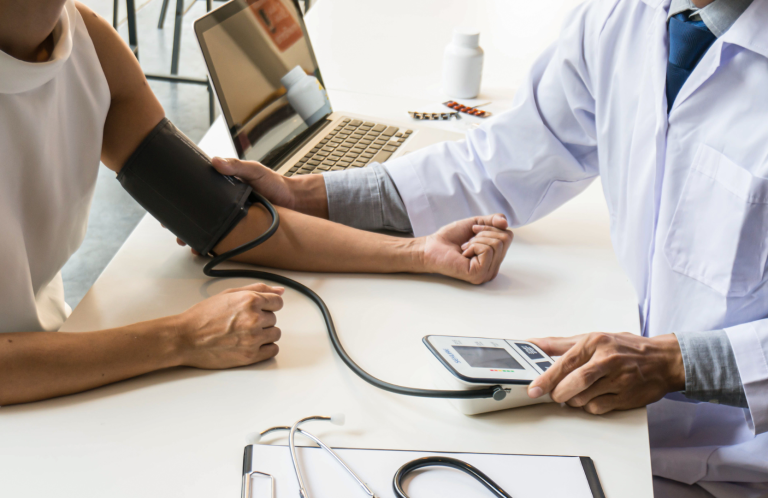
Supports healthcare staff to identify the early signs of patient deterioration, escalate concerns appropriately and improve patient safety across healthcare settings.
Clinical Risk Assessment and Management
Explore how effective risk assessment, escalation and clinical decision-making can support safer care and reduce the risk of avoidable harm.