
Basic Life Support & Anaphylaxis Update
📅 Duration: 3 hours (half-day)
🎓 Accreditation: ✅ CPD Accredited
👩⚕️ Audience: Healthcare professionals and care staff working in clinical or care settings, including registered practitioners, support staff, and carers who may be required to respond to medical emergencies as part of their role.
🏥 Format: Face-to-face at your organisation
👥 Group Size: Up to 10 delegates
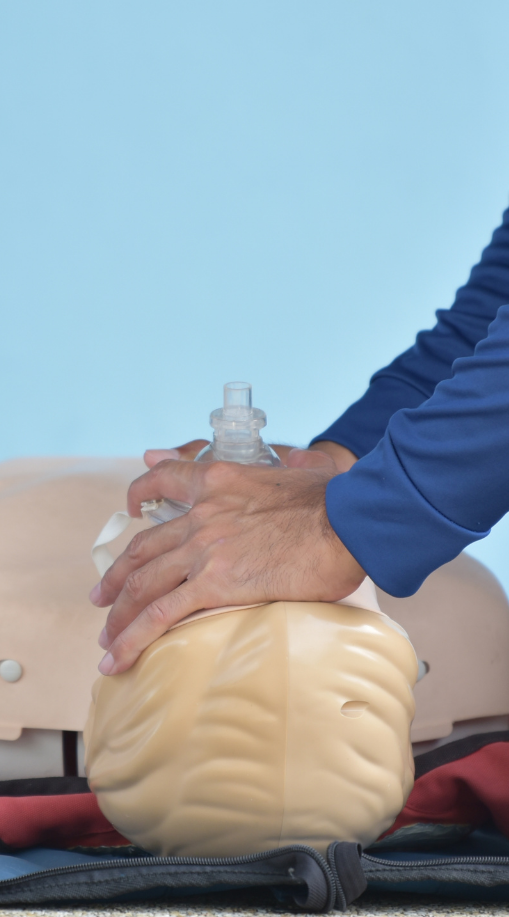
Basic Life Support (BLS) and Anaphylaxis Training
Course Details:
This course is designed as an update session for healthcare and care staff who may be required to recognise and respond to life-threatening emergencies, including cardiac arrest, choking, respiratory compromise, and anaphylaxis. The training combines clear clinical theory with practical discussion and demonstration, ensuring staff feel confident to act swiftly, safely, and within their scope of practice.
Anaphylaxis remains a medical emergency, with hospital admissions for anaphylaxis in the UK having increased significantly over the past two decades. Rapid recognition and early administration of adrenaline are proven to reduce morbidity and improve outcomes. Equally, early Basic Life Support intervention, including effective CPR and AED use, is one of the strongest predictors of survival following cardiac arrest.
This training aligns with the latest Resuscitation Council UK guidelines and reflects current best practice for emergency response in health and social care settings. It supports staff to meet professional, organisational, and regulatory expectations for mandatory and update training.
Learning Outcomes – BLS and Anaphylaxis Update
By the end of this CPD-accredited course, participants will be able to:
- Understand individual roles and responsibilities when responding to a medical emergency
- Assess a patient using a systematic approach and initiate an appropriate emergency response
- Demonstrate knowledge of Basic Life Support principles, including safe CPR
- Discuss the use of automated external defibrillators (AEDs) in emergency situations
- Respond appropriately to adult choking emergencies
- Recognise the signs and symptoms of anaphylaxis
- Identify common triggers and risk factors for severe allergic reactions
- Describe immediate emergency treatment options for suspected anaphylaxis
- Identify common adrenaline auto-injectors used in clinical and care settings
- Know when and how to administer adrenaline safely to support positive patient outcomes.

Ready to book?
Arrange Basic Life Support and Anaphylaxis Update training for your team today.
Why Choose Hickby?
👩⚕️ Nurse-led expertise
Delivered by experienced Clinical Nurse Educators with current clinical insight.
🎓 CPD accredited
Training mapped to national professional and clinical standards.
📖 Evidence-based
Aligned with national guidance to support safe, effective emergency care.

"A clear, engaging and very practical update that really boosted my confidence. The session was easy to follow, highly informative, and reinforced what to do in real emergency situations, including the importance of knowing where to find an AED on shift."
Clinical Assessor
NHS Trust

Related Courses You May Find Helpful

Safe Handling of Medications
Supports safe medicines administration and escalation, reducing medication-related risk in routine and emergency situations.

Record Keeping and Defensible Documentation
Accurate, timely documentation to support patient safety and professional accountability in routine and emergency care.
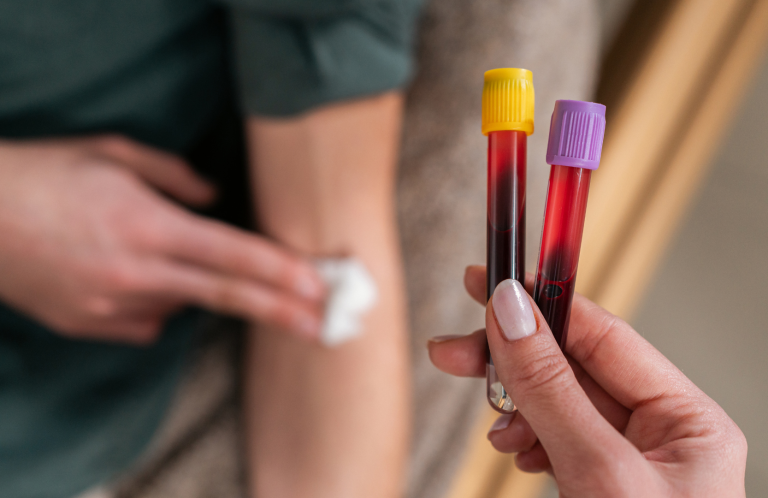
Venepuncture (Phlebotomy) Training
Comprehensive theory and practical guidance for safe blood sampling in clinical settings.